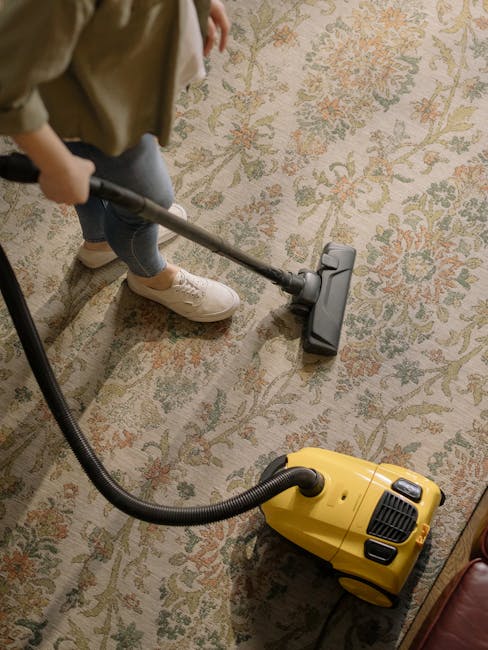
Bulky Carpet Removal and Disposal in Merton: A Practical Local Guide
If you are staring at a rolled-up old carpet in the hallway, you already know the problem is bigger than it looks. Bulky carpet removal and disposal in Merton is one of those jobs that sounds simple until you start lifting, cutting, dragging, and wondering where on earth the whole thing is supposed to go. Add stairs, awkward corners, dust, damp underlay, or a tight deadline, and it can become a proper faff.
This guide walks you through the process in a clear, local, no-nonsense way. You will learn what bulky carpet removal actually involves, how disposal usually works in practice, what to watch out for, and when it makes sense to bring in professional help. We will also cover a few sensible habits that save time, reduce mess, and help you avoid the sort of mistakes that turn a quick clear-out into a long weekend. Let's make it straightforward.
Practical expert summary: If your carpet is large, heavy, damp, contaminated, or simply awkward to get out safely, plan the removal before you start cutting. Measure, protect the route out of the property, separate underlay and fixings, and arrange disposal in advance. That small bit of preparation makes a huge difference.
- Why bulky carpet removal matters
- How the removal and disposal process works
- Benefits of handling it properly
- Who needs this service and when
- Step-by-step removal guidance
- Expert tips for cleaner, safer results
- Common mistakes to avoid
- Tools, resources and recommendations
- Compliance and best-practice considerations
- Methods compared
- Real-world example
- Practical checklist
- Frequently asked questions
Why Bulky Carpet Removal and Disposal in Merton Matters
Old carpets are not just light household waste. They are often awkward, dusty, and larger than people expect once they are lifted from the floor. A room-sized carpet can be rolled tightly, but it still takes up a surprising amount of space in a van, a stairwell, or a communal bin area. If you are dealing with a full house, the bulk multiplies fast.
There is also the practical side. A carpet that has absorbed pet odours, moisture, mould, or years of dirt is not something you want lying around indoors while you "figure out disposal later." The smell tends to announce itself. Quietly at first, then all at once. To be fair, most people only realise how unpleasant old carpet can be once it is out of the room and they can actually breathe again.
In Merton, where homes, flats, rented properties, and office spaces all come with different access challenges, good planning matters even more. Narrow stairs, shared entrances, parking restrictions, and time pressures all affect how you remove bulky carpet safely. If you are moving out, refreshing a property, or preparing for a deeper clean, proper removal also helps the rest of the work go smoothly. That is especially true if you are pairing it with services like end of tenancy cleaning in Merton or broader property preparation work.
There is a hygiene angle too. Damaged carpets can hide dust, allergens, pet dander, and in some cases damp-related issues that are easier to deal with once the flooring is gone. If you have ever had to deal with lingering smells after a spill or leak, you will know what a relief it is to start fresh. Sometimes removing the carpet is the real reset.
And because bulky disposal is rarely about one item alone, it can be worth thinking a little wider. A carpet removal job often links with decluttering, moving home, or a planned refresh of the property. For people making changes before selling or renting, that wider picture is useful. Articles like selling your home in Merton and making smart Merton property investments show how small presentation choices can influence a bigger outcome.
How Bulky Carpet Removal and Disposal in Merton Works
The process is usually more methodical than people expect. It begins with assessing the carpet type, how it was fitted, and how it needs to come out. A glued-down carpet behaves very differently from one that is only stretched and gripped by grippers around the edge of the room. Add underlay, stair rods, thresholds, or awkward joins, and the job becomes a sequence rather than a single lift-and-go.
In simple terms, the removal stage involves loosening the carpet, cutting it into manageable sections if needed, rolling or folding those sections, and clearing the underlay and any leftover fixings. Disposal then depends on the volume, material, and condition of the carpet. Clean, dry carpet is one thing. A damp, mouldy, or heavily contaminated carpet is another. If there has been a flood or leak, you may also need to think about drying and contamination before removal. For more on that, see emergency carpet drying after Merton floods.
Here is the typical flow:
- Inspect the room and note carpet size, access, and any hazards.
- Clear furniture and protect nearby surfaces.
- Cut the carpet into strips or sections if it cannot be removed in one piece.
- Roll each section tightly and secure it for carrying.
- Remove underlay, grippers, staples, and tack strips carefully.
- Bag or bundle smaller debris so it does not scatter.
- Load the waste for appropriate disposal or collection.
What makes a job efficient is not force. It is sequence. A good removal is usually calm, controlled, and a little bit tedious, which is exactly what you want when there are stairs involved.
If the carpet has been affected by pets, odours, or damp patches, it is worth dealing with the underlying issue before or alongside disposal. Otherwise, the smell or contamination can spread during removal. Related topics such as pet urine odour removal for Merton homes and hidden mould in Merton rentals and carpet risks give a good sense of why source control matters.
Key Benefits and Practical Advantages
There are a few clear reasons why proper bulky carpet removal pays off.
1. Safer handling
Carpets are awkward to carry, especially on narrow stairs or through tight hallways. Cutting them into smaller sections reduces strain and makes trips to the disposal point much safer. That is not glamorous, but it is sensible.
2. Less mess inside the property
Old carpet tends to drop dust, grit, and fibres once it is moved. A well-planned removal keeps that mess contained instead of spreading it through the house or flat. If you have already booked a full clean, this helps the cleaning stage go better too. For example, it pairs well with house cleaning in Merton or domestic cleaning in Merton.
3. Faster property turnaround
If you are preparing a rental, sale, renovation, or office refresh, removing old carpet can speed up everything that follows. Painters, cleaners, and flooring installers all work better in a clear space. No one likes tiptoeing around old underlay. Truth be told, they really don't.
4. Better odour and hygiene control
Carpets can trap smells from pets, smoke, spills, and damp. Removing the material properly is often the cleanest way to reset the room, especially if the carpet is too far gone for practical cleaning.
5. Less risk of damage to the property
Dragging a full carpet down a staircase can scuff walls, scratch skirting, and mark floors. Careful sectioning and carrying protects the property, which matters even more in shared buildings and managed rentals.
If you are comparing whether to remove, deep clean, or replace a carpet, one useful rule of thumb is this: if the carpet is structurally worn out, badly contaminated, or repeatedly causing hygiene issues, disposal is often the smarter long-term move. Cleaning has its place, absolutely, but not every carpet deserves a second chance.
Who This Is For and When It Makes Sense
Bulky carpet removal and disposal in Merton is relevant to a lot more people than you might think.
- Homeowners replacing old carpet before new flooring goes in
- Tenants needing to return a property in a decent condition
- Landlords and letting agents preparing a flat for reletting
- Buy-to-let investors refreshing a property between occupants
- Families dealing with damaged, stained, or odour-heavy carpet
- Businesses clearing office flooring during refurbishments
- Anyone recovering from damp, leaks, or flood-related damage
It makes sense when the carpet is too large for a normal household bin, too dirty for casual handling, or too awkward for you to move safely without help. It also makes sense when your time is better spent on the rest of the project. If you are in the middle of a move, for instance, carpet disposal is one of those jobs that can swallow half a day. Easy to underestimate. Very easy.
For people preparing a property for market, the timing can be especially important. A clear, fresh-looking floor can change the feel of a room immediately, and that matters when buyers or tenants walk through. There is a reason presentation articles like inside Merton: an insider's look at this charming suburb and whether Merton is a good place to live, according to locals often resonate with readers thinking about homes and lifestyle. Presentation counts.
Step-by-Step Guidance
If you are removing a bulky carpet yourself, work methodically. Rushing is usually what causes the scratches, cuts, and general chaos nobody needs.
Step 1: Measure the carpet and plan the exit
Before lifting anything, check how large the carpet is and how it will leave the room. Measure doorways, halls, and stair turns. If it cannot move as one piece, decide where to cut it so each section is manageable.
Step 2: Clear the room completely
Remove furniture, small fixtures, rugs, and anything fragile from the route out. If you are moving through a shared hall, let neighbours know if needed. That small courtesy can save awkward moments, especially in flats.
Step 3: Check for damp, mould, or contamination
If the carpet is wet or has visible mould, handle it cautiously. Avoid shaking it or dragging it around unnecessarily. Seal the route if possible and keep your exposure to a minimum. In those situations, a professional approach is often the calmer choice.
Step 4: Cut the carpet into strips
Use a sharp utility knife and cut from the back where possible. Narrow strips are easier to roll and carry. Do not make the strips too wide unless you know you can handle them safely down stairs.
Step 5: Remove underlay and fixings
Underlay can be more fragile than the carpet itself, and it often breaks apart. Remove it in sections and gather staples, tacks, or grippers carefully. These are the little details that cause injuries if ignored.
Step 6: Bundle the waste securely
Roll each section tightly and secure it with tape or cord if appropriate. Keep loose fibres and debris contained. That makes loading easier and reduces the chance of rubbish scattering in communal areas.
Step 7: Dispose of the materials properly
Depending on size and condition, disposal may involve a suitable local waste route, a pre-arranged collection, or a professional clearance service. The key thing is not to leave bulky carpet piled in a hallway for days. It looks untidy, gets in the way, and can become a nuisance fast.
One small practical note: if you are replacing carpet with hard flooring, clean the subfloor thoroughly before installation. Dust, adhesive residue, or old underlay scraps can cause problems later. That extra 20 minutes now saves a great deal of annoyance later.
Expert Tips for Better Results
Here are the details that make a carpet removal job feel controlled instead of stressful.
- Cut from the back wherever possible. It is cleaner and usually easier to manage.
- Work in sections. Even if the carpet is light, sections make handling more predictable.
- Keep a dust sheet or protective covering on the route out. Especially on newly cleaned floors or hall carpets.
- Wear gloves and sturdy shoes. Carpet tacks are nobody's friend.
- Use a vacuum before and after removal. It reduces dust and leaves the space more manageable.
- Separate materials. Carpet, underlay, fixings, and general rubbish are easier to deal with when not mixed together.
- Have disposal arranged before you start. This avoids the common "we have taken it out, now what?" moment.
If the job is part of a wider property clean-up, line it up with other services in the right order. For example, carpet disposal before a deep clean or final clean often makes the rest of the work easier. Relevant service pages like services overview and carpet cleaning in Merton can help you think through the sequence.
A slightly old-fashioned tip, but a useful one: keep a bin liner or two nearby for the small bits. Tiny scraps somehow multiply when nobody is looking. It is almost a law of nature.
Common Mistakes to Avoid
Most carpet removal problems are preventable. They usually happen because people underestimate the weight, the mess, or the disposal stage.
Removing the carpet before checking access
If you cut everything first and then realise the rolls will not fit through the stairwell, you have created extra work for yourself. Plan the route before the first cut.
Dragging large sections through the property
This is the quickest way to mark walls and scrape corners. If a section feels awkward, make it smaller. That is not a sign of failure; it is just good judgement.
Forgetting about the underlay
Many people remove the carpet and call it done. The underlay, however, often holds dust and odour and can be just as bulky as the carpet in practice. Leave it behind and the room is not really clear.
Mixing disposal streams
Bundling carpet with unrelated waste can make disposal more complicated than it needs to be. Keep the loads organised so you can handle them properly.
Ignoring smell or moisture issues
If the carpet smells damp, musty, or strongly of pets, do not assume the issue ends when it is rolled up. Handle contaminated carpet with care, and consider whether the floor beneath needs attention too.
Not protecting shared areas
In flats or converted buildings, shared hallways and stairs can be easily marked. A bit of protection goes a long way. So does common sense, which admittedly is not always as common as the phrase suggests.
Tools, Resources and Recommendations
You do not need a van full of specialist equipment to remove one carpet, but the right basic tools make the job safer and neater.
| Tool / item | Why it helps | Best use |
|---|---|---|
| Utility knife | Lets you cut carpet into manageable sections | Sectioning carpet from the back |
| Heavy-duty gloves | Protects hands from tacks and rough edges | Removal and lifting |
| Knee pads | Makes prolonged floor work more bearable | Large rooms or multiple sections |
| Dust sheets | Helps protect floors and hallways | Routes through the property |
| Bin liners / rubble sacks | Useful for underlay scraps and small debris | Clearing loose waste |
| Broom or vacuum | Clears dust and fibres left behind | Before and after removal |
In practical terms, the most useful "resource" is often a good plan. Know what size carpet you are dealing with, where it will go, and how you will dispose of it. If you are coordinating multiple jobs in the property, it can help to check out the wider cleaning context on the site, including office cleaning in Merton for commercial properties or upholstery cleaning in Merton if you are refreshing more than just flooring.
If you are looking for service updates or offers, keep an eye on current promotions and read through customer reviews to get a better feel for service quality and expectations. Those pages can be surprisingly useful when you are deciding who to trust with a time-sensitive job.
Law, Compliance, Standards, or Best Practice
Carpet disposal sounds like a simple household job, but in the UK it still needs to be handled responsibly. The exact route depends on the condition of the material and the waste arrangements available, but the principle is steady: do not dump bulky waste where it should not go, and do not leave potentially contaminated material lying around.
From a best-practice point of view, separating carpet from general household rubbish is sensible. It helps avoid contamination, makes transport easier, and reduces the chance of creating a mess for neighbours or building managers. If the carpet is wet, mouldy, or heavily soiled, extra caution is wise because of odour and hygiene concerns.
Safety matters too. Sharp fixings, old grippers, and hidden staples can cause cuts and punctures, so gloves and careful handling are not optional if you are doing the job yourself. In a domestic setting, there is also a duty of care to avoid damaging floors, walls, and shared spaces while removing bulky items.
If the property is rented or managed, it is sensible to check expectations around leaving waste behind, final condition, and access arrangements. That is where clear communication helps more than people realise. A tidy handover is often the difference between a smooth move and a frustrating one.
For service standards, look for providers who are transparent about safety, insurance, and complaints handling. Pages such as insurance and safety, health and safety policy, and complaints procedure signal that the business takes responsibility seriously. That kind of clarity matters, especially for larger removals or access-sensitive jobs.
Options, Methods, or Comparison Table
There is more than one way to deal with bulky carpet. The right choice depends on condition, access, time, and how much handling you are comfortable with.
| Method | Best for | Pros | Cons |
|---|---|---|---|
| DIY removal and disposal | Small, dry, accessible carpets | Low direct cost, flexible timing | Labour-heavy, messy, disposal still needs planning |
| DIY removal with arranged collection | Households with transport or collection access | Reduces handling after removal | Still requires lifting, cutting, and bundling |
| Professional removal and disposal | Large, awkward, contaminated, or time-sensitive jobs | Less strain, faster, usually cleaner process | Costs more than doing it yourself |
| Removal as part of a broader clean | End-of-tenancy or refurbishment projects | Good workflow, better final presentation | Needs coordination and timing |
If the carpet is only lightly worn, you may want to compare removal against a deep clean. But if the carpet is saturated, damaged, or holding stubborn odours, disposal is usually the cleaner long-term choice. For broader context on cleaning decisions, see best carpet cleaners near Wimbledon Common, Merton and carpet care for homes on Mitcham High Street.
Case Study or Real-World Example
Picture a typical two-bedroom flat in Merton after a long tenancy. The living room carpet is worn at the doorway, the hallway runner has picked up years of grit, and one bedroom carpet has a faint damp smell after a minor leak that was dealt with quickly but not beautifully. Nothing dramatic. Just enough to make the place feel tired.
The first step is not ripping everything out. It is assessing which carpets are worth keeping and which are not. In this kind of situation, the hallway and bedroom carpet may be removed in sections, while the living room carpet is checked to see whether the underlay is salvageable. Once the route out is measured, the job becomes manageable. The carpet is cut, rolled, and moved without scraping the walls, and the underlay is removed separately so the floor can be properly cleared.
Then comes the useful part: once the room is empty, the underlying issues are easier to spot. A bit of staining near the skirting. A small patch of damp residue. Dust hiding where the carpet edge once sat. This is where the whole exercise pays off. The property is not just emptier; it is ready for the next stage, whether that is a clean, a repair, or a new floor installation.
That sort of job also highlights why end-of-tenancy planning matters. If the carpet is removed late in the process, it can delay cleaning and finishing work. If it is done early enough, everything else flows better. Simple, really, but easy to miss when you are in the middle of moving boxes and nobody has had a proper cup of tea.
Practical Checklist
Use this checklist before you start:
- Measure the carpet and identify the easiest exit route
- Clear furniture and protect the floors you will walk across
- Check for damp, mould, stains, or pest-related contamination
- Gather gloves, knife, dust sheets, and waste bags
- Cut the carpet into sections if a full roll is impractical
- Remove underlay, staples, grippers, and any loose fixings
- Bundle waste securely so it does not shed fibres everywhere
- Confirm how the carpet will be disposed of before removal begins
- Vacuum or sweep the exposed floor after clearing
- Decide whether the next step is cleaning, repair, or new flooring
If you can tick those off calmly, you are already ahead of most rushed DIY attempts. And yes, a little patience here saves a lot of groaning later.
Get a free quote today and see how much you can save.
Conclusion
Bulky carpet removal and disposal in Merton is not just a matter of dragging an old floor covering out of the house. It is a practical job that benefits from planning, safe handling, and a clear disposal route. When done properly, it makes the property cleaner, safer, and easier to move forward with - whether you are renovating, moving out, preparing to sell, or simply tired of looking at a carpet that has had its day.
The main thing is not to rush the process. Measure, prepare, separate the materials, and think about what comes next. That is usually the difference between a tidy, efficient job and a messy afternoon you would rather not repeat. If you want a broader sense of the company, its service approach, or background, the about us page is a good place to start, and the local perspective in Merton: a good place, locals weigh in gives a nice sense of the area too.
Do it properly, and the room feels lighter almost immediately. That fresh-start feeling is hard to beat, to be fair.
Frequently Asked Questions
What counts as bulky carpet removal?
Bulky carpet removal usually means taking out old carpet that is too large, heavy, awkward, or contaminated to be treated like normal household waste. It often includes the underlay, grippers, and fixings as well.
Can I remove old carpet myself in Merton?
Yes, if the carpet is dry, accessible, and not too large for you to handle safely. For stairs, large rooms, or damp and mouldy carpet, it is often better to get help.
What should I do before removing a carpet?
Clear the room, measure the exit route, check for damage or contamination, and gather the tools you need. Planning the disposal route first is the biggest time saver.
Is it better to clean an old carpet or dispose of it?
If the carpet is only lightly worn or has one or two isolated marks, cleaning may be enough. If it is badly stained, smelly, mould-affected, or structurally worn, disposal is often the better choice.
How do I dispose of carpet safely?
Keep the carpet bundled, separate it from unrelated waste, and use an appropriate disposal route. Avoid leaving it in communal areas or outside where it can become a nuisance.
Do I need to remove the underlay too?
Usually, yes. Underlay can hold dust, odours, and moisture, and it often needs to be cleared before new flooring can be fitted properly.
What if the carpet smells of damp or mould?
Handle it cautiously and do not shake or drag it unnecessarily. Damp or mould-affected carpet can spread odour and contamination, so removal should be done with care.
How long does carpet removal usually take?
It depends on room size, access, and condition. A small room may be fairly quick, while a full house or flat can take much longer, especially if stairs or fixings slow things down.
Will bulky carpet removal make a mess?
It can, but a careful approach keeps the mess under control. Vacuuming first, cutting the carpet into sections, and protecting the route out all help a lot.
Is carpet disposal part of end-of-tenancy cleaning?
It can be, depending on the agreement and the condition of the property. If carpet removal is needed before the final clean, it is wise to coordinate the order of work early.
What if I have pet urine or lingering odours in the carpet?
If odours have soaked deep into the material, disposal may be more practical than repeated cleaning. Some carpets can be rescued, but not all of them, and that is just the honest answer.
Can carpet removal help with property presentation?
Absolutely. Removing old carpet can make a room look brighter, cleaner, and more spacious, which is useful when preparing a home for sale or re-letting.