Health and Safety Policy for Carpetcleaning Merton
 This Health and Safety Policy sets out the principles, responsibilities, and working standards that support safe, consistent, and professional carpet cleaning in Merton. It applies to all cleaning activities, including routine domestic work, commercial assignments, stain treatment, equipment handling, and post-cleaning drying procedures. Our approach is built on prevention, care, and compliance, with a clear focus on protecting staff, clients, visitors, and property.
The aim of this policy is to reduce risks before work begins and to maintain safe conditions throughout each task. Carpet cleaning services involve water, electrical equipment, detergents, manual handling, and movement within occupied premises, so proper planning is essential. Every job is assessed in advance to identify hazards, choose suitable methods, and ensure that the work can be completed without unnecessary risk. Where conditions change during a project, the approach is reviewed immediately and adjusted as needed.
Health and safety responsibilities are shared across the business. Management is responsible for setting standards, providing training, maintaining equipment, and reviewing working practices. Operatives are expected to follow procedures, use equipment correctly, report hazards, and work in a way that protects themselves and others. Clients and building occupants are also asked to cooperate by allowing access to the work area, keeping children and pets away from cleaning zones, and observing any temporary restrictions.
Risk Assessment and Safe Working Practices
Before any cleaning begins, a site check is completed to identify risks such as slippery floors, trip hazards, fragile furnishings, poor ventilation, electrical sockets, and access limitations. Special attention is given to upholstery, carpets with delicate fibres, and areas that have been heavily soiled or contaminated. Professional carpet cleaning requires the correct selection of tools and chemicals, and every product is used in line with the manufacturer’s instructions and safety data guidance.
Where appropriate, barriers or warning signs are used to mark wet areas and prevent accidental slips. Hoses, cords, and accessories are positioned to minimise obstruction. Operators are trained to maintain tidy workspaces and to avoid leaving items in circulation routes. If furniture needs to be moved, the task is carried out carefully to reduce strain and prevent damage to flooring, walls, and furnishings. The goal is to ensure that carpet cleaning safety remains central from start to finish.
 Cleaning methods are chosen based on the carpet type, condition, and environment. Steam extraction, low-moisture techniques, and spot treatment all present different considerations, so the method selected must be suitable for the surface and level of use. When chemical products are used, they are stored securely, diluted correctly, and handled with care. Operators avoid unnecessary mixing of substances and ensure that residues are removed effectively to protect indoor air quality and reduce irritation risks.
Equipment, Chemicals, and Personal Protection
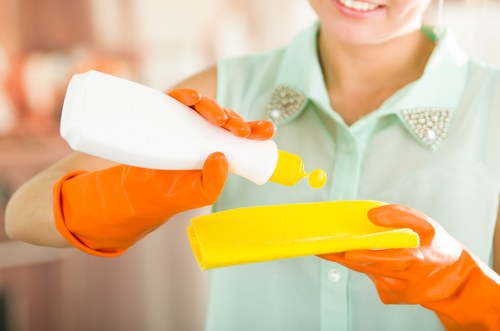 All machines are inspected regularly to confirm that cables, plugs, tanks, filters, and hoses remain in safe working condition. Faulty equipment is taken out of use immediately and repaired or replaced before further operation. Electrical items are used in a dry, controlled manner and kept away from standing water where possible. This disciplined approach supports safe carpet cleaners working conditions and helps maintain reliability on every job.
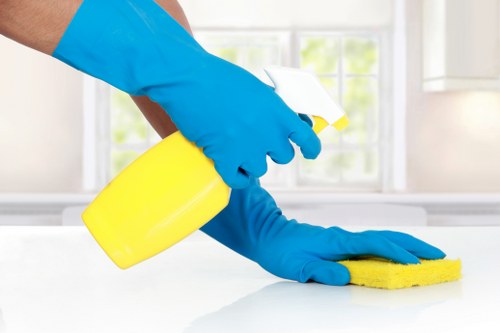
Suitable personal protective equipment is worn where required, including gloves, non-slip footwear, and eye protection for tasks involving sprays or concentrated solutions. In some situations, additional protection may be needed depending on the product in use or the condition of the room. Staff are trained to recognise when extra precautions are necessary and to adapt their routine accordingly. Safety-first carpet cleaning means protecting the operative as well as the property being cleaned.
Manual handling is also an important part of this policy. Lifting cleaning machines, moving chairs, and repositioning furniture can cause strain if done incorrectly. To reduce the risk of injury, loads are assessed before lifting, awkward movements are avoided, and assistance is requested when items are too heavy or difficult to manage alone. Work pacing is kept sensible, especially during larger cleans or repeated visits, so that fatigue does not compromise safe practice.
Occupational Health, Hygiene, and Environmental Care
Occupational health is supported through training, supervision, and a culture of prompt reporting. Any injury, near miss, or equipment failure must be reported so that action can be taken quickly and lessons can be learned. First aid arrangements are maintained, and staff are encouraged to speak up if they feel unwell, face a sudden hazard, or need support. Regular reviews help ensure that carpet cleaning policy standards remain practical and effective.
Good hygiene practices are followed at all times. Hands are washed after handling chemicals, dust, or contaminated materials, and food or drink is kept away from work areas. Waste water and collected debris are disposed of responsibly and in accordance with safe procedures. Where a property contains sensitive occupants, such as those with allergies or respiratory concerns, extra care is taken to use low-odour solutions and ensure adequate ventilation during and after the clean.
Environmental care is part of our safety commitment. Products are selected with attention to efficiency, effectiveness, and reduced unnecessary waste. Water use is managed responsibly, and excess packaging is kept to a minimum where possible. This balanced approach supports both safe operations and a cleaner finish, while also promoting a responsible carpet cleaning service standard that values long-term wellbeing.
Monitoring, Review, and Continuous Improvement
 This policy is reviewed regularly to ensure it remains suitable for the types of work carried out and the risks encountered. Updates may be made following incidents, operational changes, equipment upgrades, or new guidance affecting working methods. Records of inspections, training, and incidents are kept to support accountability and ongoing improvement.
Supervisors monitor daily practices to confirm that procedures are being followed and that staff understand their responsibilities. Where shortfalls are identified, corrective action may include refresher training, revised methods, or additional controls. The intention is not only to meet expectations, but to embed a reliable health and safety policy for carpet cleaning into every stage of service delivery.
 By following this policy, Carpetcleaning Merton maintains a professional environment where safety, quality, and respect for people and property work together. Consistent standards help reduce risk, improve outcomes, and ensure that every cleaning task is completed with care, attention, and responsibility.